SARMs Types Explained – Different Categories and Their Typical Uses
Last Update: 16.08.2026 What are the different types of SARMs? Usually, they are divided based on their potential benefits. For example, they can be categorised as: SARMs for muscle building, SARMs for cutting, SARMs for endurance and SARMs for recovery. Find out more! Looking for the complete reference? See our main guide: The CORE SARMs […]
Last Update: 16.08.2026
What are the different types of SARMs? Usually, they are divided based on their potential benefits. For example, they can be categorised as: SARMs for muscle building, SARMs for cutting, SARMs for endurance and SARMs for recovery. Find out more!
Looking for the complete reference? See our main guide: The CORE SARMs Handbook — Compounds, Cycles & Recovery, Explained. There you’ll find this compound alongside every other popular SARM, with full profiles, stacking guides, cycle protocols, and post‑cycle support advice all in one place.
List of SARMs Types Explained
SARMs for Muscle Building
The first type of SARMs is claimed to support muscle building. Here, you will find compounds that may:
- enhance muscle growth,
- support regeneration,
- promote muscle strength,
- improve recovery.
Some of the muscle-building SARMs include:
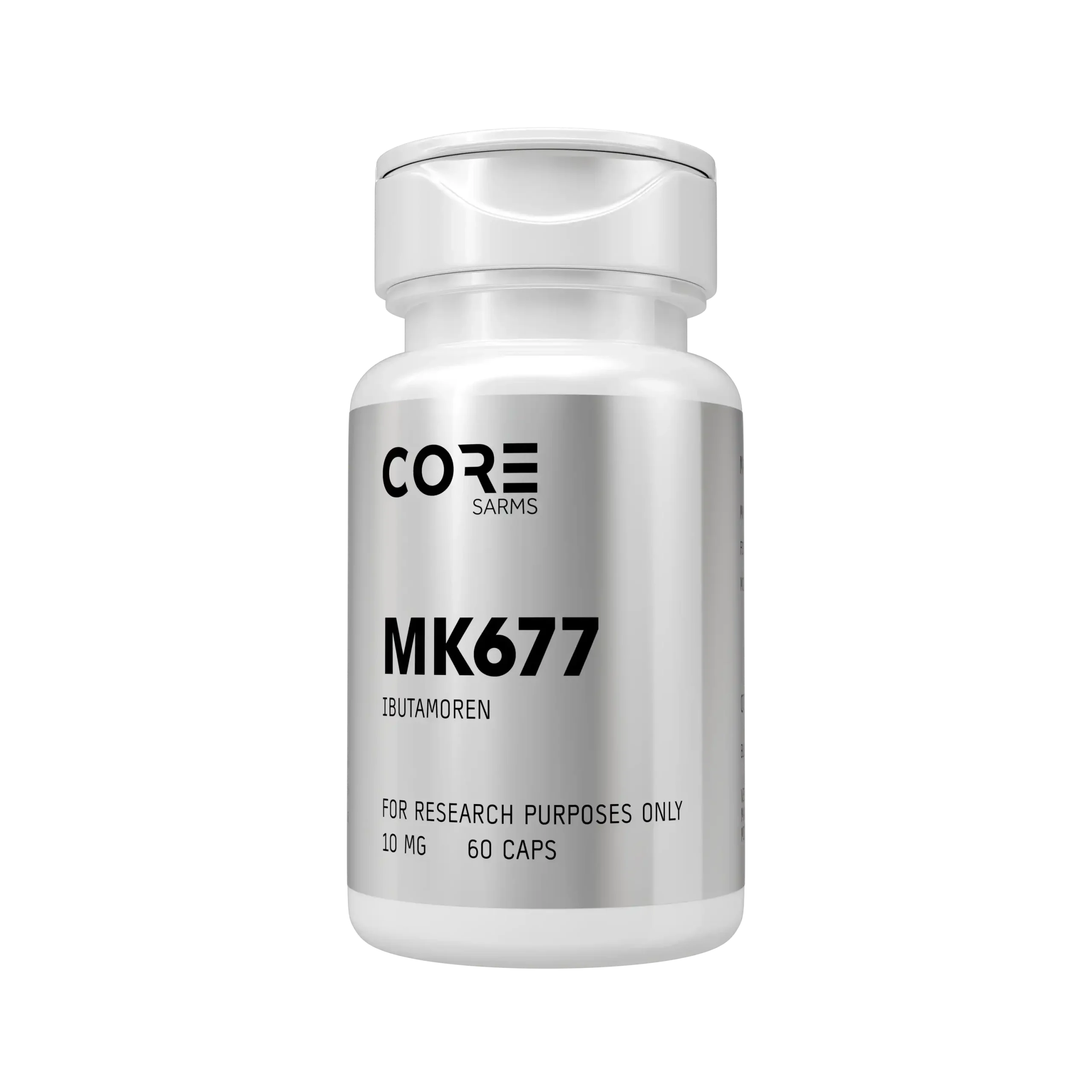
- Ibutamoren (MK-677) (which technically isn’t a SARM),
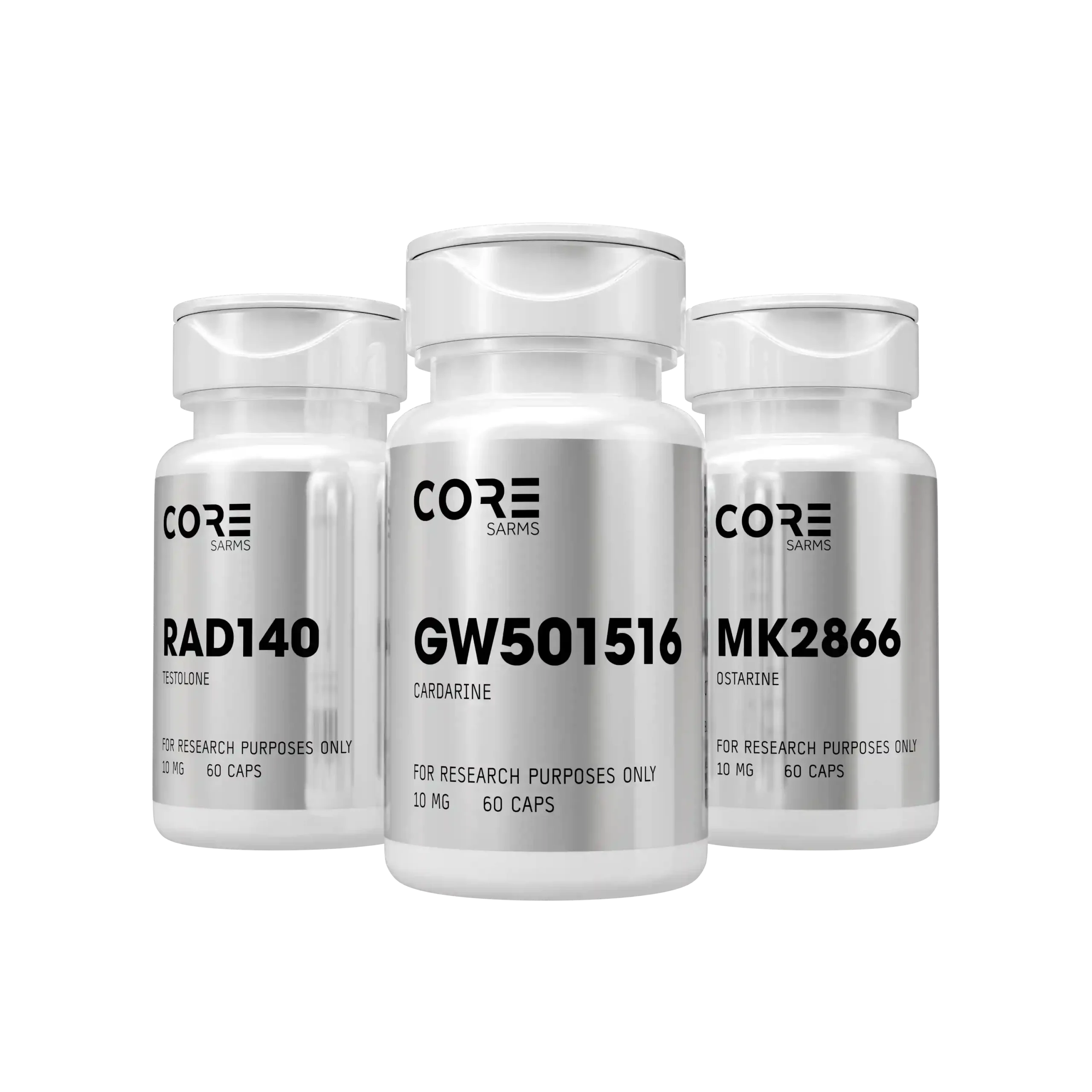
- RAD-140 (Testolone),
- RAD-150 (Enhanced),
- S-23 (SARM),
- YK-11 (Myostatin),
- Ligandrol (LGD-4033).
You can read more about them in our article: Best SARMs for Bulking – Compounds Commonly Used for Mass and Strength Gains
SARMs for Cutting
Secondly, there are SARMs for cutting. This type of selective androgen receptor modulator usually shares several of the following potential benefits:
- fat loss support,
- anabolic activity and fat oxidation promotion,
- stamina boost,
- enhanced metabolism.
What are some common SARMs that fall into this category? Namely:
Learn more about cutting with SARMs from our article: The Ultimate Cutting Stack: SARMs for Fat Loss
Ostarine is the usual starting point for cutting: see Ostarine (MK-2866) explained: dosage, results and side effects.
SARMs for Endurance
Thirdly, you will find SARMs used by athletes to improve endurance – many of these also fall into other types on this list. They are characterised by their potential to:
- improve fat metabolism,
- enhance recovery,
- support anti-inflammatory response.
Some common representatives from this category include:
- SR-9009 (Stenabolic) (also associated with the cutting phase),
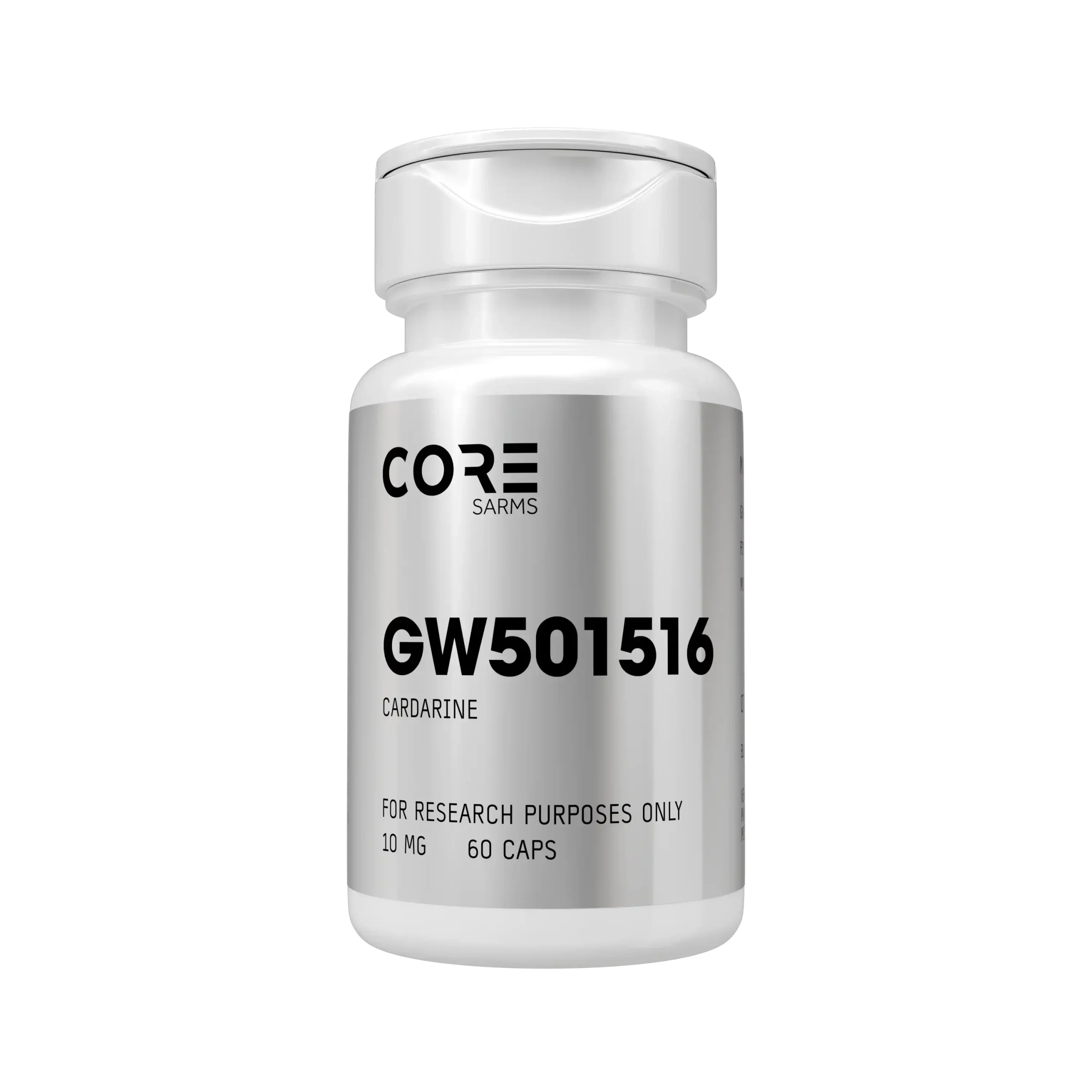
- Cardarine (GW-501516),
- Accadrine (AC-262).
SARMs for Recovery
Finally, they are SARMs associated mainly with recovery. They can potentially:
- increase sleep quality by affecting related hormones,
- support fat metabolism to provide energy to your muscles throughout an intense workout,
- aid hormone balance.
The most common SARMs of this type include:
- Ibutamoren (MK-677) (which technically isn’t a SARM).
What Do All the SARM Types Have in Common?
While they may vary in their potential impact on athletic routines, all SARMs work using the same mechanism: they bind to androgen receptors in targeted tissues (bone & muscle). They also share the same legal status and are similar in use.
Every SARM should be cycled, though the length of each cycle may differ. Moreover, regardless of the category the SARM falls into, its intake should be followed by a post-cycle therapy (PCT).
Conclusion: Similar Mechanism, Different Goals
All SARMs work on the same mechanism, but each of them may have a different impact on your physiology. Therefore, they should be carefully selected based on your goals.
You can see how the compounds above are grouped by goal in our SARMs UK range.
New to SARMs? Start with our Complete Beginner’s Guide to SARMs, or read how SARMs work to see why the categories above share one mechanism.

CORE SARMS is dedicated to providing premium quality supplements that help athletes and fitness enthusiasts achieve their performance goals. With a commitment to excellence and transparency, we source only the highest quality ingredients and rigorously test every product. Our team of experts stays at the forefront of sports nutrition science to bring you cutting-edge formulations that deliver real results. Whether you’re building muscle, cutting fat, or optimizing recovery, CORE SARMS is your trusted partner in achieving peak performance.

Related Products
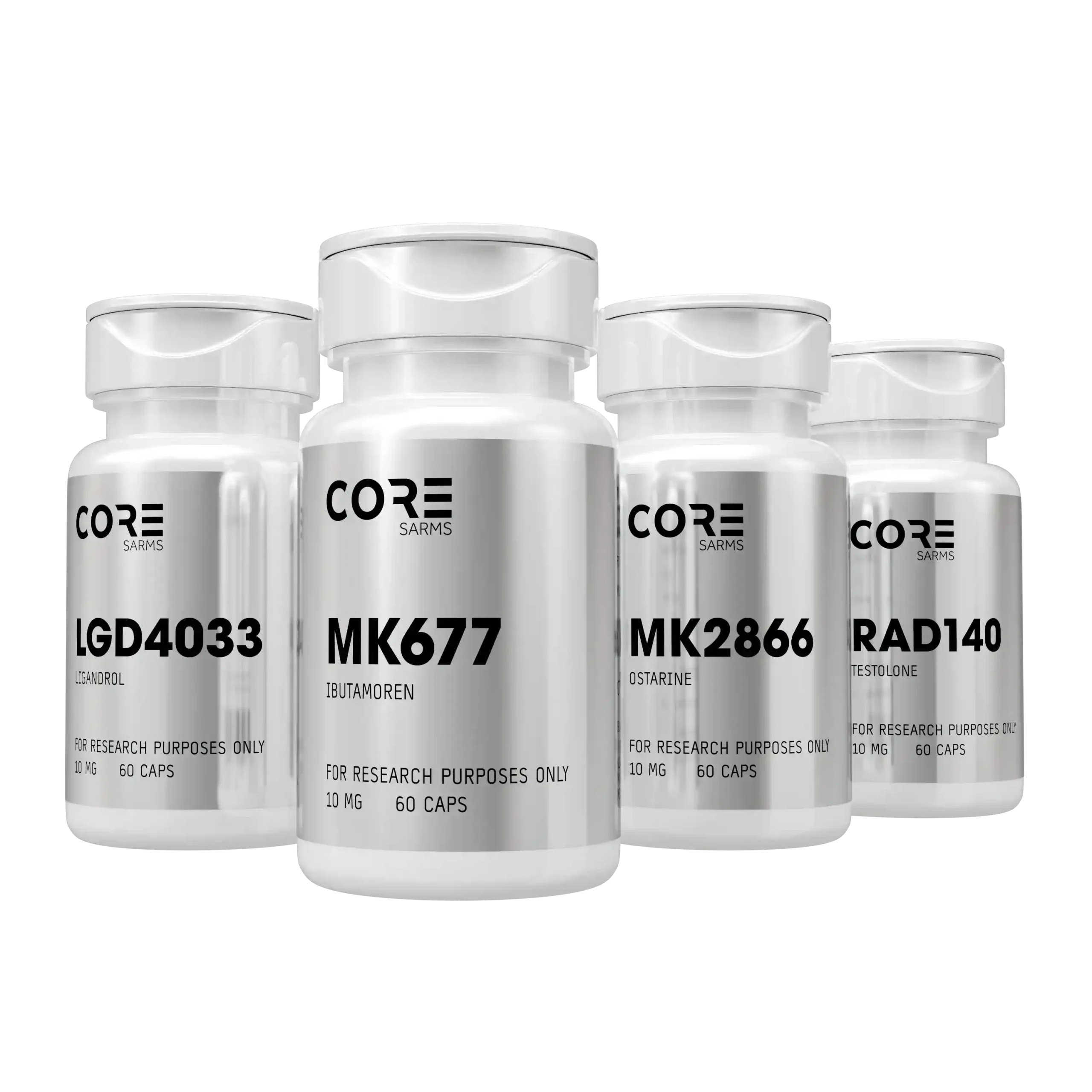
Muscle Building Bundle
Complete muscle building stack: Ligandrol, Testolone, Ostarine, Ibutamoren