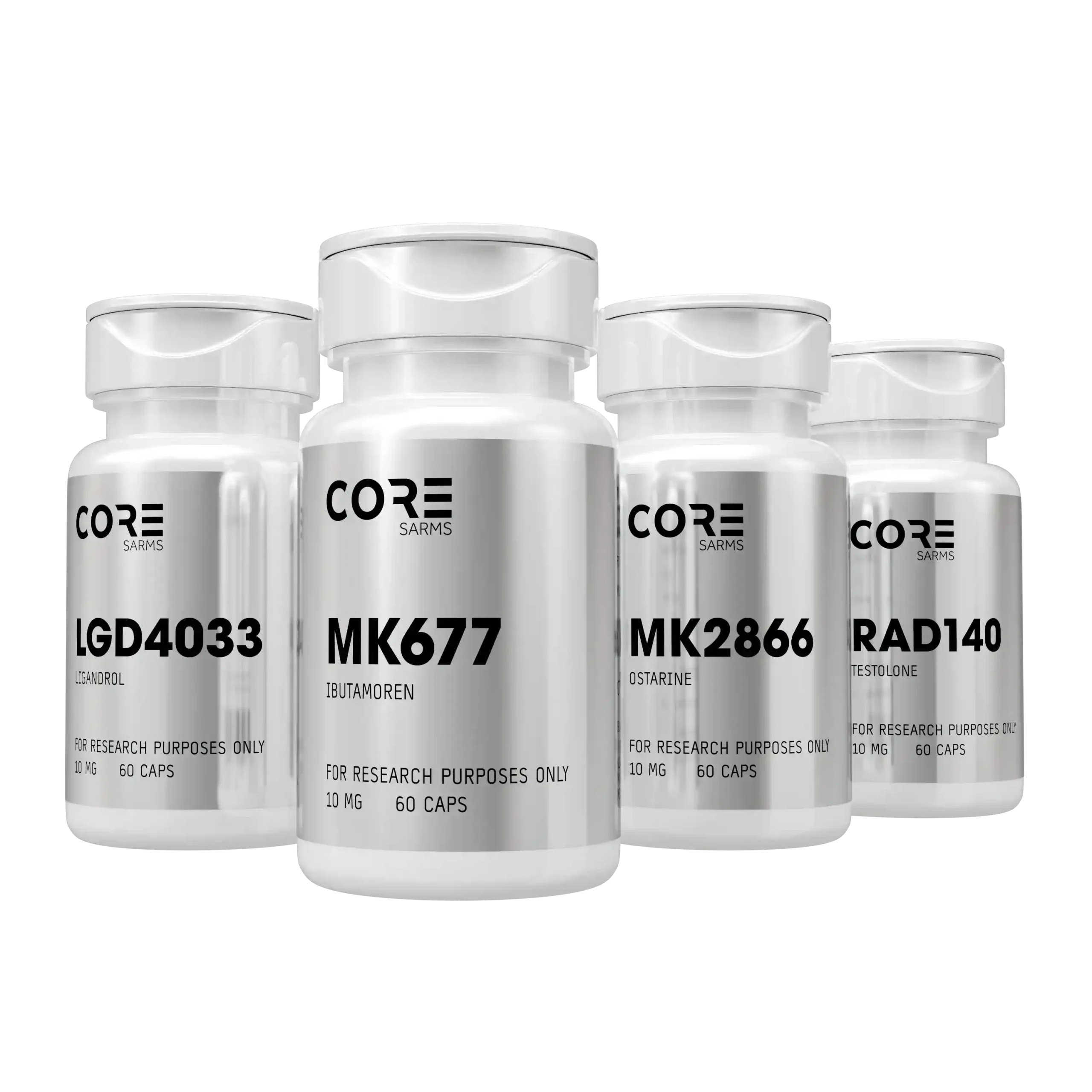
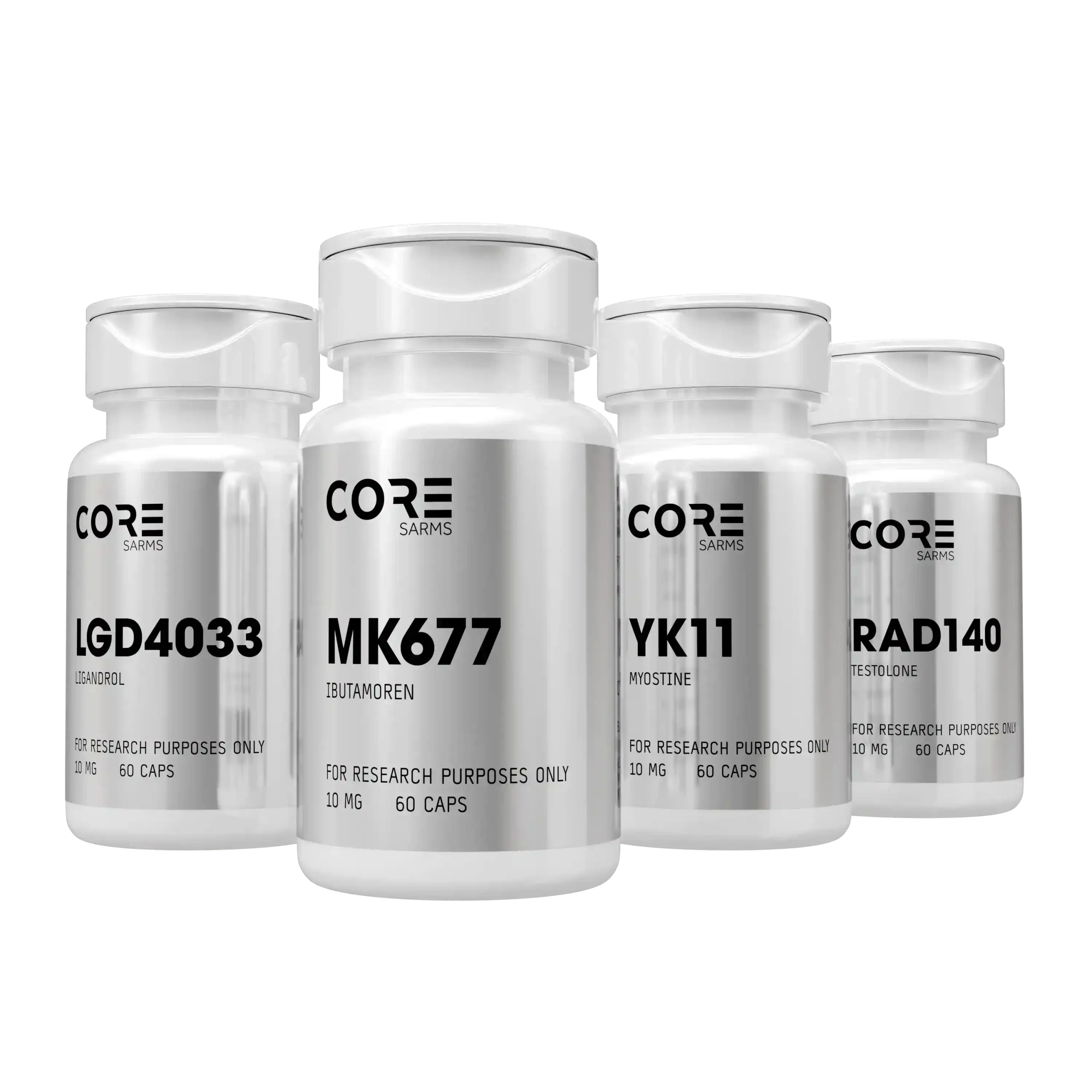
Build lean muscle mass and increase overall strength

SARMs for Muscle Building

The Research Case for Selective Androgen Receptor Modulators

If your research focus is skeletal muscle hypertrophy, strength output, or bone density, the compounds in this category represent the most advanced tools currently available in the SARM class.

Each has been selected for its documented anabolic activity, its tissue selectivity, and the strength of the evidence base behind it.

SARMs in this category work by selectively binding to androgen receptors in muscle and bone tissue. Unlike traditional anabolic androgens, they are designed to deliver targeted anabolic activity while reducing interactions with non-target tissues, such as the prostate. This selectivity is what makes them the subject of sustained clinical investigation.

Compounds in This Category

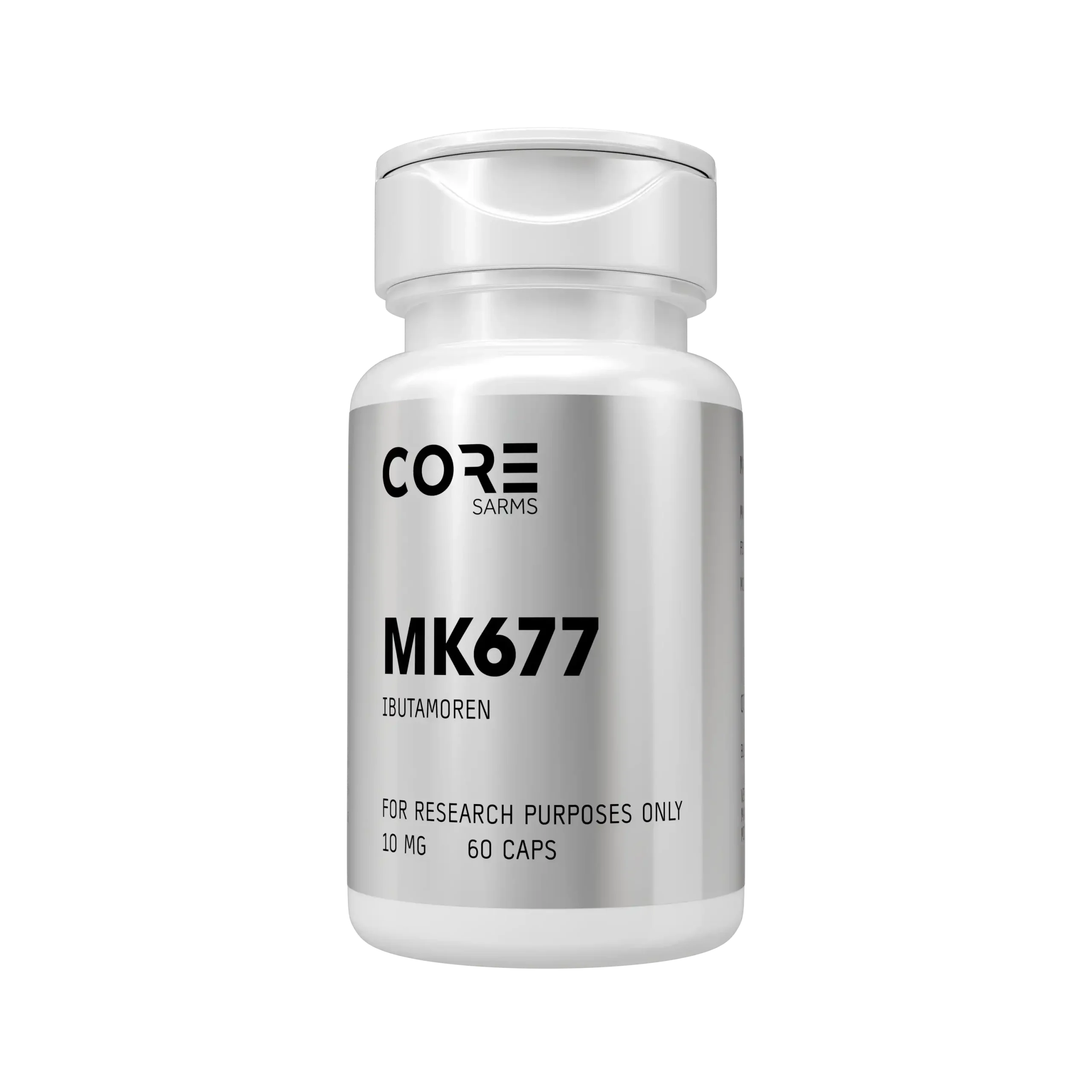
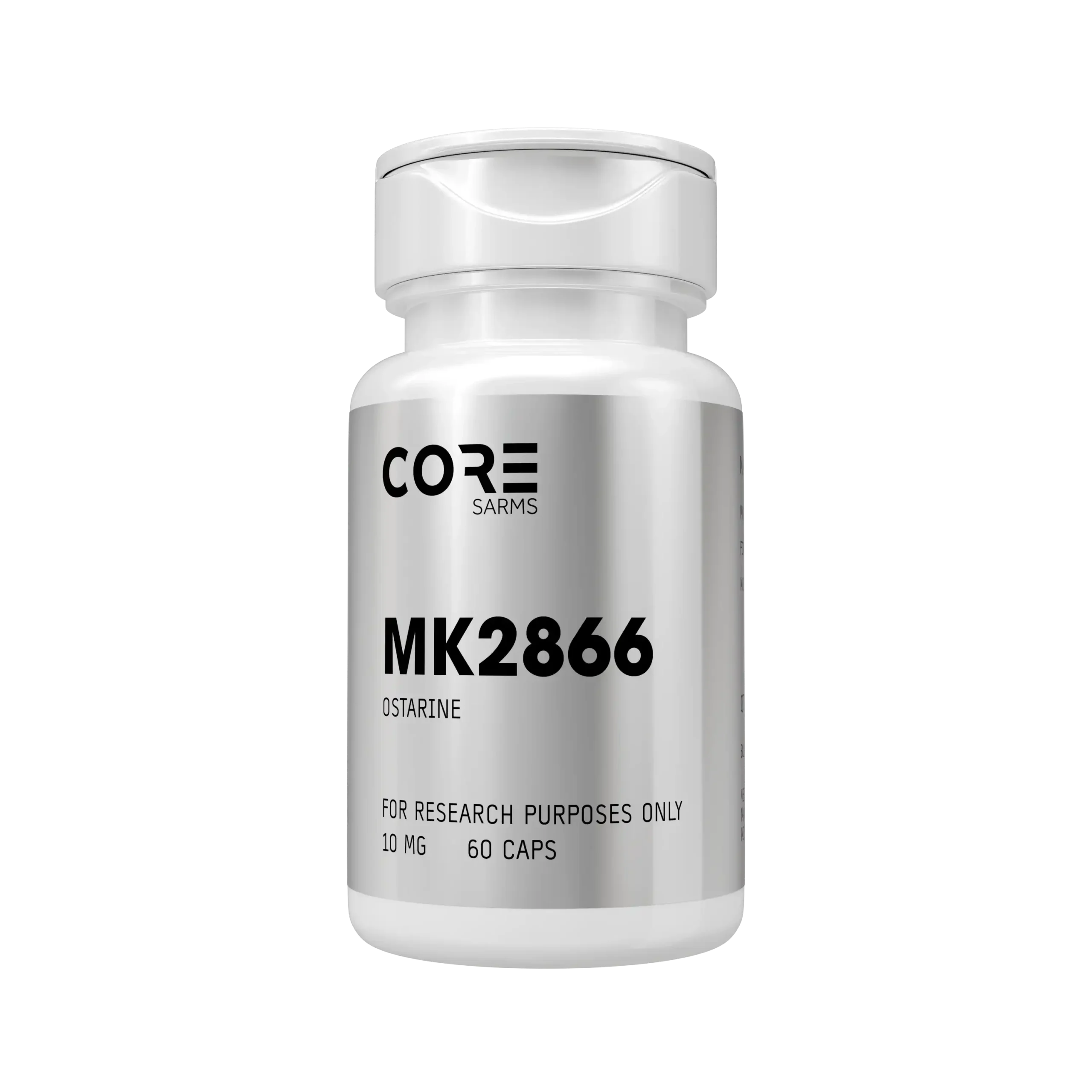
MK-677 (Ibutamoren)

Works differently from the other compounds in this category: rather than binding the androgen receptor, it acts as a ghrelin mimetic that stimulates growth hormone secretion. A 2-year randomised, placebo-controlled trial in adults aged 60-81 found it restored growth hormone and IGF-1 to young-adult levels and increased fat-free mass by 1.1kg over 12 months. [4]

MK-677 is best suited to researchers studying growth hormone pathways, longer-duration protocols, and combination stacks with other muscle-building compounds.

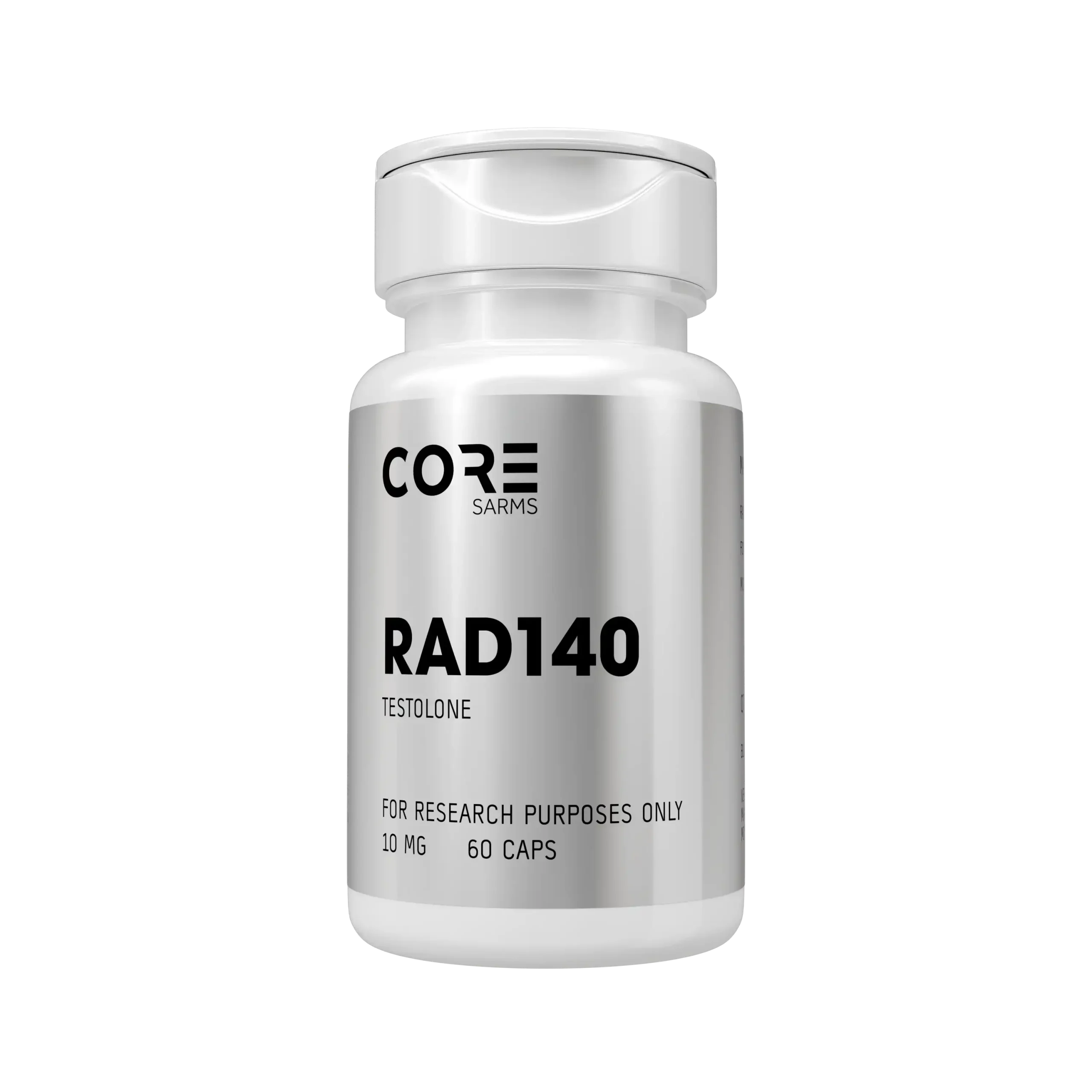
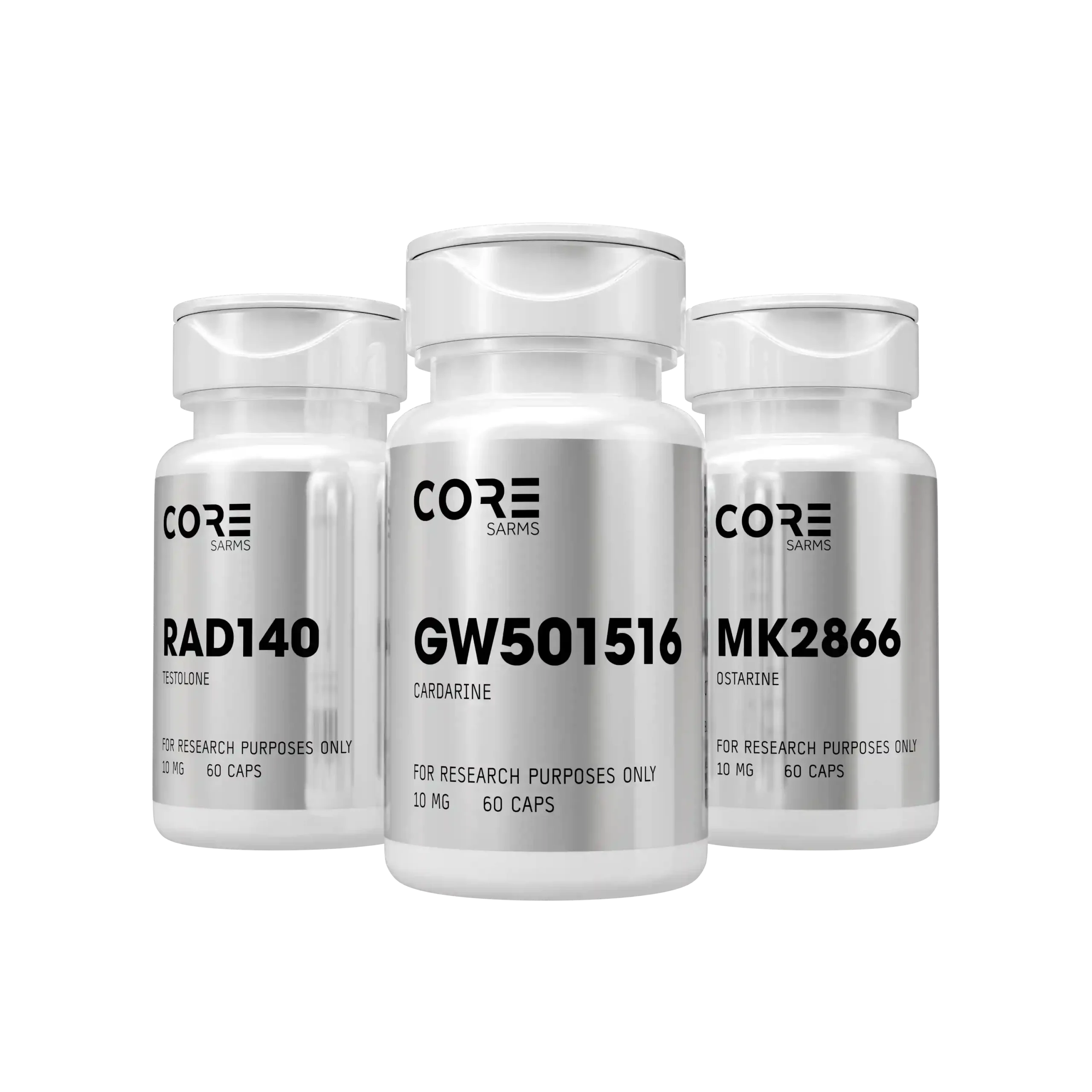
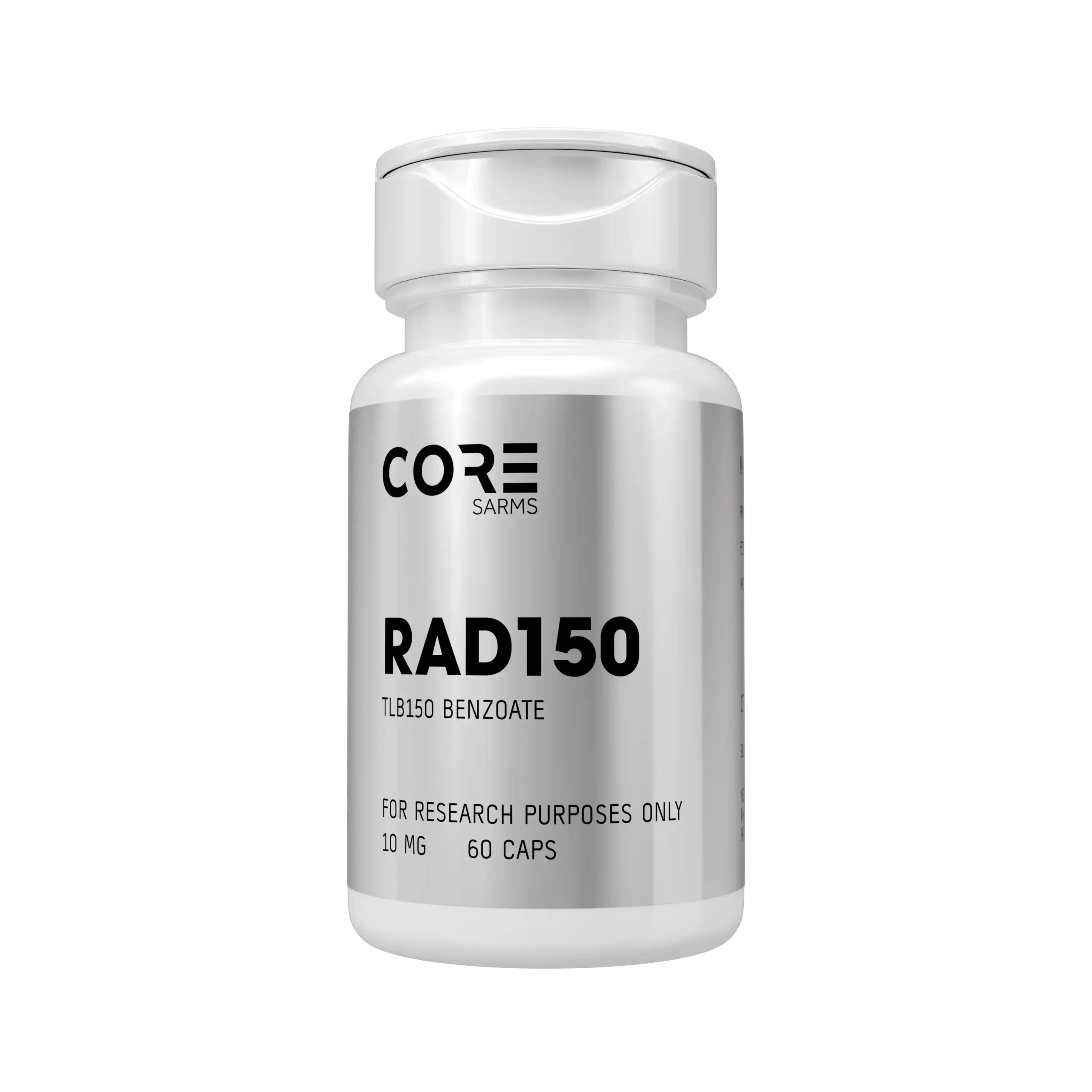
RAD-140 (Testolone)

The most potent compound in this range. Preclinical data in rats and primates confirmed strong anabolic signalling in muscle with minimal androgenic activity in the prostate. [1]

RAD-140 is best suited to intermediate and advanced users, bulking cycles, and strength-focused protocols.

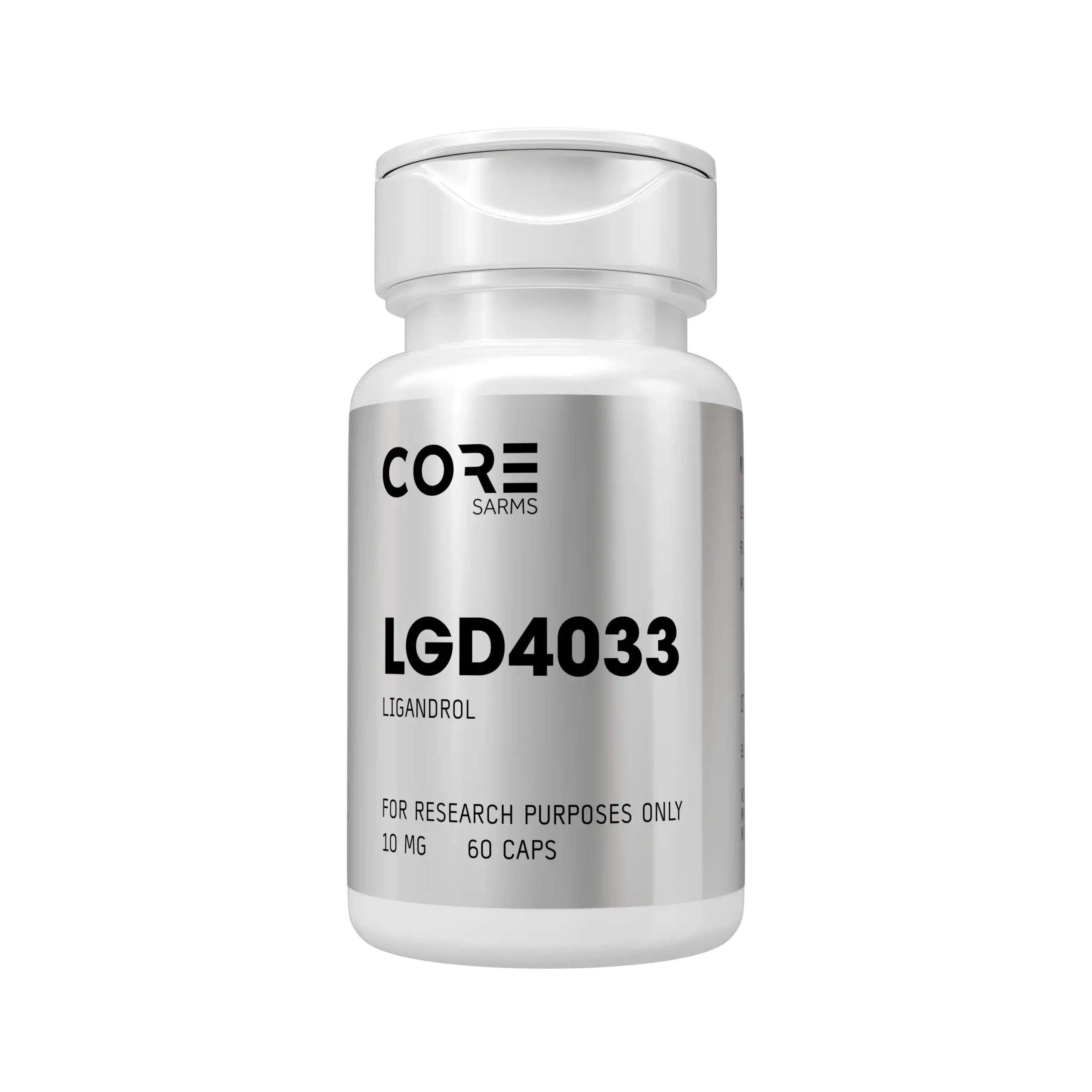
LGD-4033 (Ligandrol)

Backed by a Phase 1 randomised, placebo-controlled trial in 76 healthy men. Subjects receiving 1mg daily of Ligandrol for 21 days showed a statistically significant increase in lean body mass of 1.21kg, with no serious adverse events reported. [3]

Best suited to: lean mass research, dose-response studies, first-time SARM cycles.

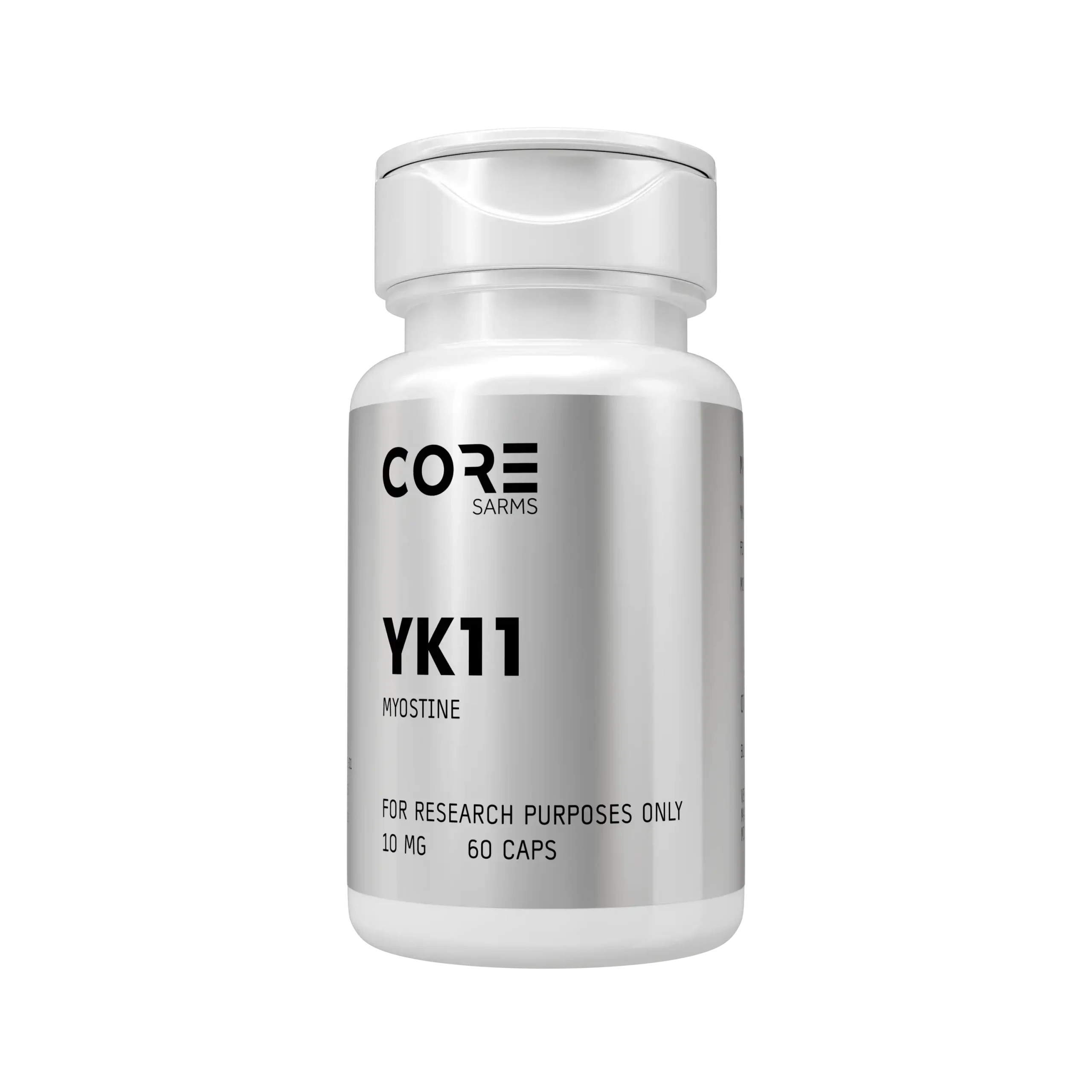
YK-11

Operates through a dual mechanism: AR agonism and potential myostatin inhibition via follistatin expression. [4] Makes it a compound of particular interest for researchers studying upper-limit muscle development responses.

YK-11 is best suited for advanced research protocols and combination stacks.

Quality Assurance

All compounds are:

  • Third-party tested to 99%+ purity.
  • Supplied with batch-specific certificates of analysis.
  • Sold strictly for research and laboratory purposes.

Not approved for human use. WADA prohibits all compounds in this category under the anabolic agents classification.

Sources:

[1] Miller, C. P., Shomali, M., Lyttle, C. R., et al. (2011). Design, Synthesis, and Preclinical Characterization of the Selective Androgen Receptor Modulator (SARM) RAD140. ACS Medicinal Chemistry Letters, 2(2), 124-129. https://doi.org/10.1021/ml1002508

[2] Basaria, S., Collins, L., Dillon, E. L., et al. (2013). The safety, pharmacokinetics, and effects of LGD-4033, a novel nonsteroidal oral, selective androgen receptor modulator, in healthy young men. The Journals of Gerontology: Series A, 68(1), 87-95. https://doi.org/10.1093/gerona/gls078

[3] Kanno, Y., Hikosaka, R., Zhang, S. Y., et al. (2013). Selective androgen receptor modulator, YK11, regulates myogenic differentiation of C2C12 myoblasts via follistatin expression. Biological and Pharmaceutical Bulletin, 36(9), 1460-1465. https://doi.org/10.1248/bpb.b13-00430

[4] Nass, R., Pezzoli, S. S., Oliveri, M. C., et al. (2008). Effects of an oral ghrelin mimetic on body composition and clinical outcomes in healthy older adults: a randomized trial. Annals of Internal Medicine, 149(9), 601-611. https://doi.org/10.7326/0003-4819-149-9-200811040-00003

Frequently Asked Questions

Contact support

These compounds were originally developed to research potential treatments to severe muscle-wasting conditions, such as osteoporosis and cachexia. Laboratory studies aim to understand how they can promote tissue growth in muscles and bones without affecting other organs.

The major difference is their high degree of tissue selectivity. Traditional anabolics affect the entire body and often enlarge other organs. Compounds in this category are engineered to target specific androgen receptors to promote muscle and bone development.

Absolutely not. These compounds are banned by the World Anti-Doping Agency (WADA) and are illegal to sell for human consumption in the UK. They are classified exclusively as research chemicals, and any use outside this setting is prohibited.